Choosing the Right Quad Biking Dubai Experience for Your Needs
Quad biking in Dubai can be a straightforward, memorable desert activity when the choice matches your riding ability, comfort level and expectations. The tricky part is that the same activity can feel very different depending on the route, the pace, the vehicle class and the way the session is organised. A rider who wants a calm introduction will need a different setup from someone seeking a longer run across open sand. Start with the basics, then narrow the choice with a few careful checks.
Start with your riding experience
Be honest about what you can handle before looking at any other detail. If you have never ridden a quad bike, choose a session built around instruction, controlled riding and a moderate pace. The first few minutes are usually spent learning how the throttle, brakes and steering feel on sand, which is looser and less predictable than a paved surface. A beginner does not need the most powerful machine or the roughest route. They need clear guidance and enough space to build confidence.
riders with more experience can look for a route with varied terrain, longer stretches and a stronger sense of progression. Experience should mean more than having ridden once before. Think about whether you are comfortable turning, slowing down and staying steady when the surface changes. If the answer is uncertain, pick a gentler option. A well matched ride is far more enjoyable than a session that feels rushed or awkward.
Decide what kind of ride you want
Quad biking in Dubai is often shaped around the setting and the mood of the session. Some people want a short introduction, while others want a longer desert route with stops for photos. A sunset ride has a different appeal from a daytime outing, as the light changes quickly and temperatures may feel more comfortable later in the day. The right choice depends on what you value most: speed, scenery, photography, privacy or a shared group atmosphere.
Think about the words you would use to describe the ideal outing. Calm, scenic and unhurried suggests one type of session. Active, dusty and fast suggests another. If you are travelling with children or less confident riders, look for an option that allows a slower pace without making anyone feel left behind. If you are travelling with friends who all ride regularly, a more demanding route may be a better fit.
Check the route and the terrain
The route matters more than many riders expect. desert terrain can include firm sand, soft patches, small crests and uneven ground. These features can make the ride interesting, but they also change how the vehicle responds. A route with gentle turns and open visibility is easier for a first timer. A route with frequent dune sections asks for better balance and more precise control.
Ask what kind of ground the session covers and how long the riding portion lasts. A long transfer with only a short ride may feel disappointing if your main interest is riding. On the other hand, a longer route may be tiring if the pace stays high and there are few pauses. Look for a clear balance between riding time, stops and the overall length of the outing.
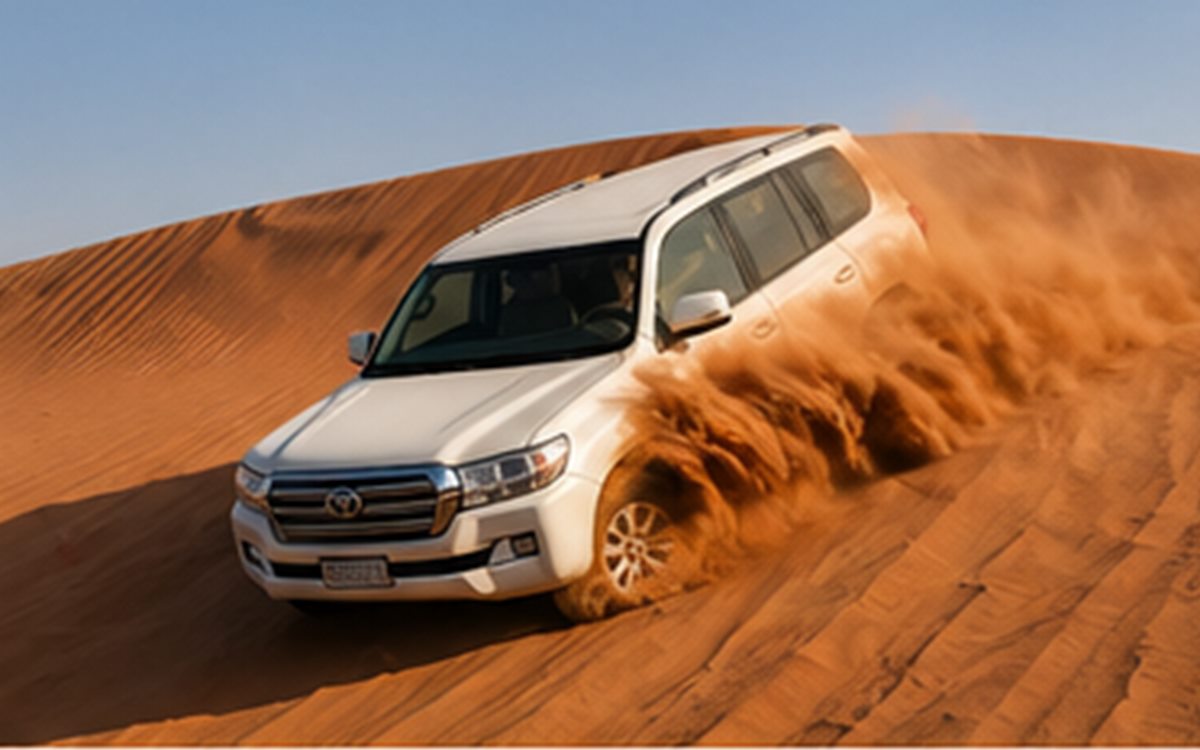
Some riders picture a sand dune landscape as open and flat, but dunes can be steep, soft and deceptive. A good route should suit the group rather than simply look dramatic in descriptions. If there are different difficulty levels, choose the one that leaves a little room for control. It is easier to enjoy a route when you are not spending the whole session worrying about the next slope.
Compare the vehicle options
Quad bikes are not all the same. Size, power and handling affect how comfortable the ride feels. A smaller, manageable machine is usually more suitable for a newcomer. A more powerful option can be exciting in the right hands, but it can also react quickly on loose sand. The aim is not to choose the biggest vehicle. The aim is to choose one that responds predictably for the rider using it.
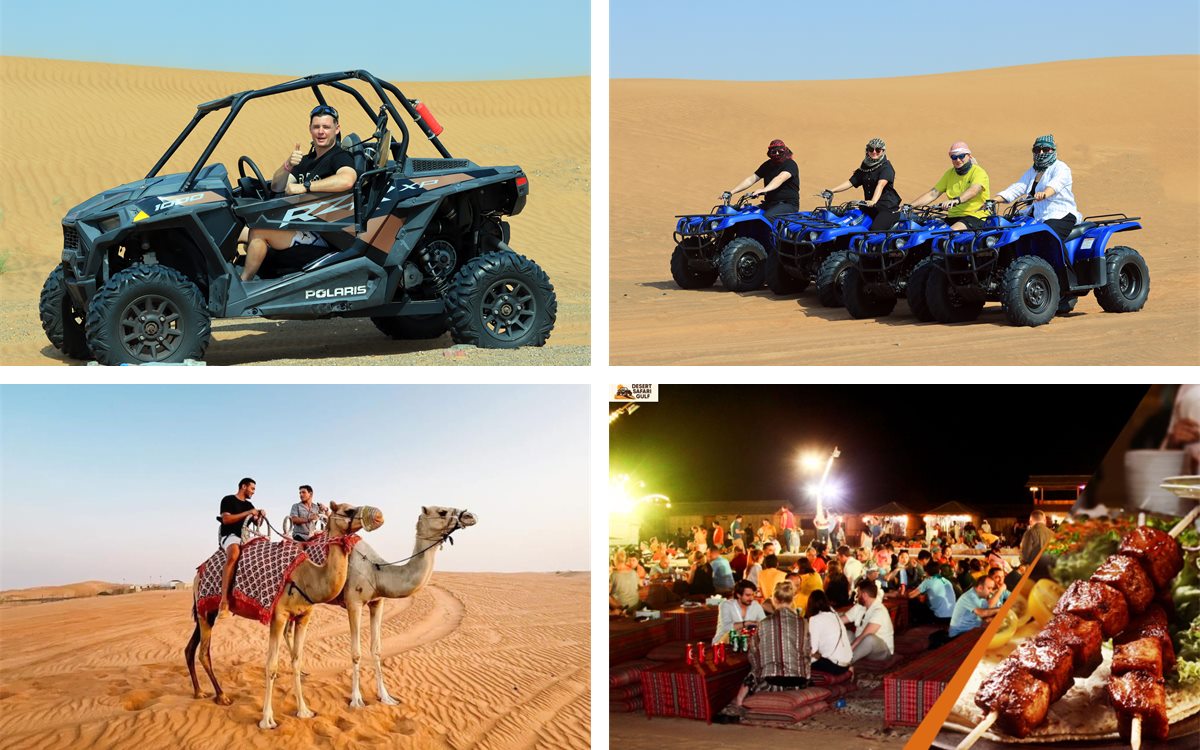
If the choice includes a dune buggy, understand how it differs from a quad bike. A buggy may offer a different seating position and a different feel on uneven ground, while a quad bike gives a more direct riding posture. Neither is automatically better. The best option depends on your confidence, the route and how comfortable you are with the controls.
Before confirming, check whether the session includes a safety helmet and any other basic riding gear. Fit matters. A helmet that shifts around or a poor fit can distract from the ride. If gear is provided, ask what is included and what you should bring yourself. Comfortable closed footwear and sensible clothing usually make the outing easier, especially when sand gets into everything.
Look closely at guidance and supervision
A guided tour can make a big difference, especially in a desert setting where landmarks can feel unfamiliar. Guidance helps with pace, direction and timing. It also gives riders a clear point of reference when the surface changes. For a first ride, short instructions before departure and steady support during the session are more useful than a dramatic route.
Find out how the group is managed. A group booking can be fun, but mixed abilities can slow the pace or push less confident riders beyond their comfort zone. If your group includes both beginners and experienced riders, ask whether the pace can be adjusted or whether separate options are available. Clear communication at the start helps avoid confusion later.
The best supervision is calm and practical. It should make safety feel organised rather than restrictive. Riders need to know where to go, when to slow down and what to do if they stop. If those details are unclear, the experience may feel less relaxed than it should.
Read the booking details carefully
Once the ride type feels right, move on to the practical terms. Check the meeting point, start time and total duration. Pay attention to whether the duration refers to the whole outing or only the time on the bike. This distinction changes how you plan the rest of your day.
Also check what is included, what is optional and what riders are expected to bring. Some details may affect comfort more than expected, such as drinking water, shaded waiting areas or transport to the riding area. If you are comparing options on aljazeeratours.com, keep the focus on the ride itself: route, pace, gear, supervision and timing. Those details tell you far more than a broad activity label.
It is also sensible to review the rules around age, height, licensing and passenger restrictions, where relevant. These requirements exist for a reason and vary by activity type. If a rule seems unclear, ask before booking rather than on the day. A smooth start sets a better tone for the whole outing.
Match the choice to the people riding
A solo rider can choose mainly on personal preference. A pair or group needs a little more thought. Think about the slowest rider, not the fastest. If everyone enjoys the pace, the whole outing feels better. A rider who feels pressured may tense up, and tension makes control harder on sand.
For a shared outing, a guided tour with a moderate route often works well because it gives the group a clear structure. If the group includes children, check age rules and whether a passenger setup is allowed. If the group includes experienced riders, ask whether there is room for a more engaging ATV trail without turning the session into a race.
When planning a group booking, agree on expectations before choosing. Decide whether the priority is photographs, riding time, scenery or a slower family friendly pace. That conversation prevents mismatched expectations and helps you pick a session that suits everyone.
Check safety without turning the ride into a chore
Safety checks should be simple and sensible. Confirm that helmets are available and that riders understand the basic controls before setting off. Listen carefully to the briefing, especially around hand signals, stopping distance and what to do if the group separates. Sand can soften without warning, so steady inputs matter more than sudden moves.
Watch for signs that the pace is too ambitious for the group, such as riders struggling to turn or frequent stops to regroup. A good session should feel organised, not chaotic. If something feels uncertain, raise it early. It is much easier to adjust at the start than halfway through a route.
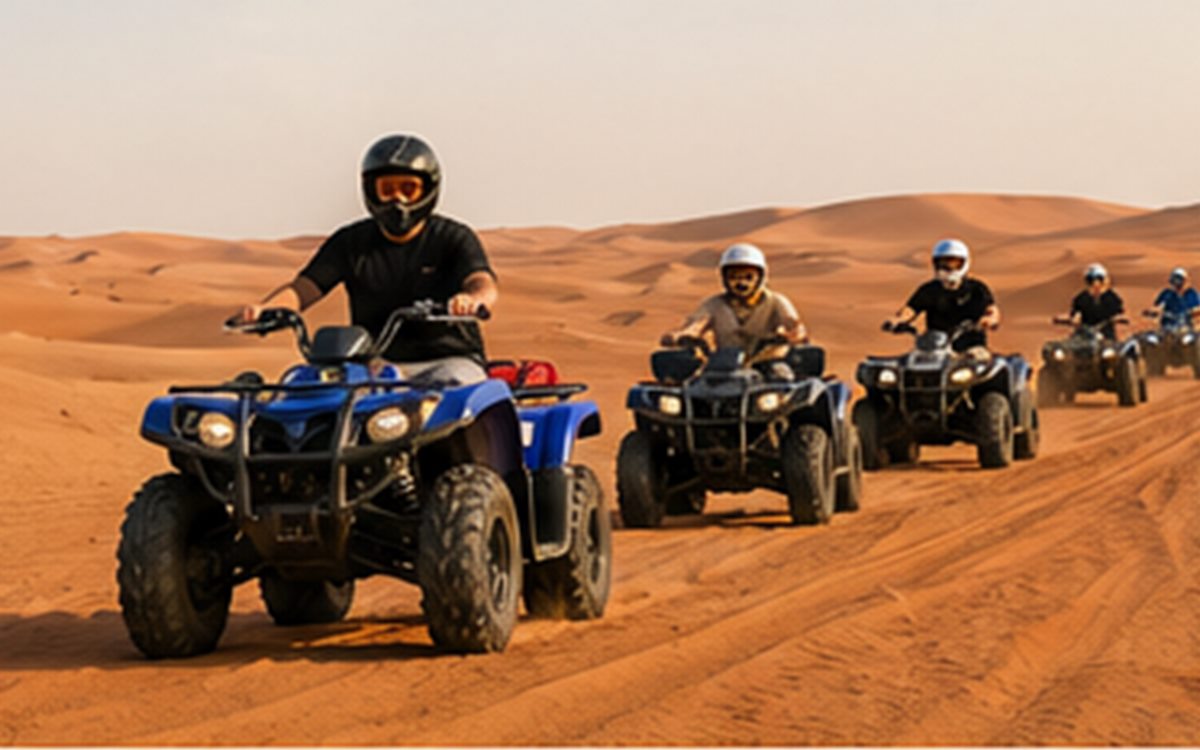
Avoid treating protective gear as an afterthought. A safety helmet should be worn correctly, and loose clothing should not get caught near controls. Secure bags and loose items before riding. These small habits protect the experience and keep attention on the route.
Make the final choice with a clear comparison
By this point, the decision should be narrower. Compare the remaining options using the same criteria each time: rider ability, route difficulty, riding time, guidance, gear and group fit. A choice that looks attractive on the surface may lose appeal once those details are lined up.
Use aljazeeratours.com as one reference point while you compare the practical details that affect the ride. The right choice should feel easy to explain: who it suits, where it goes, how long it lasts and how it is managed. If those answers are clear, the booking is more likely to lead to a smooth and enjoyable desert outing.
A good quad biking experience does not depend on chasing the most extreme option. It depends on choosing a session where the terrain, vehicle, pace and support match the rider. Take a little time to make that match, and the rest of the day is much more likely to run well.